Printable Crafts for Kids
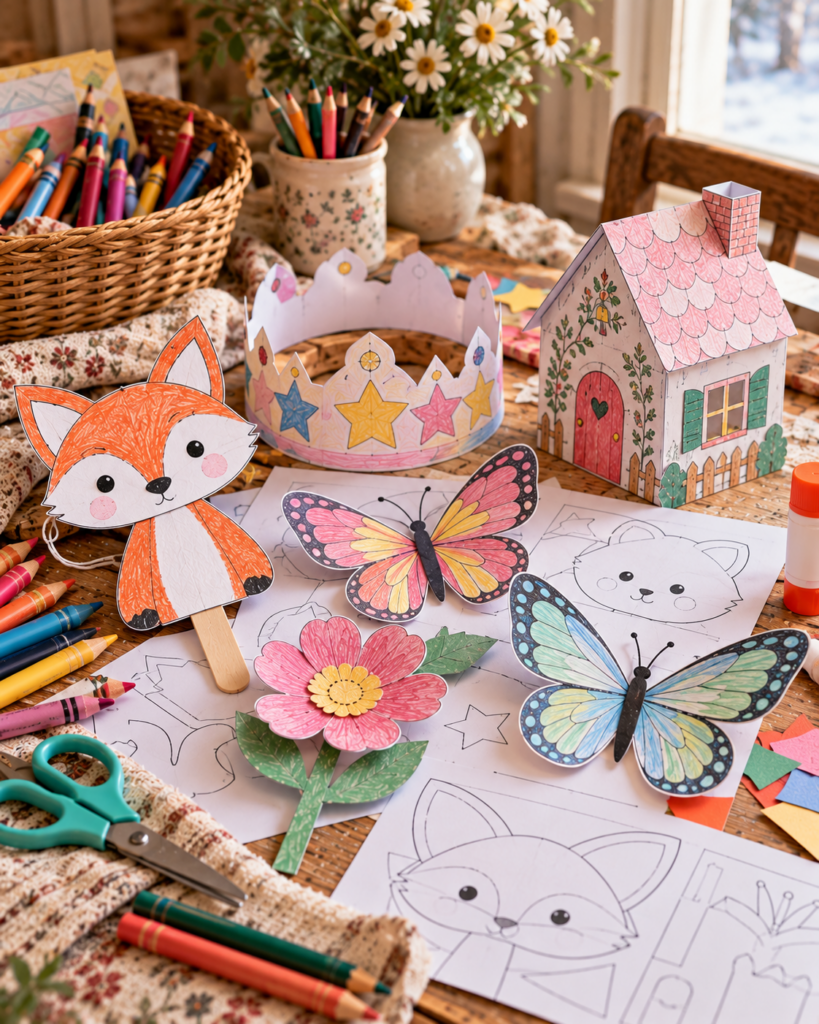
Printable crafts for kids are one of the easiest ways to get a fun, low-mess activity on the table fast, especially when you need something screen-free that actually keeps little hands busy. The best part is that templates do the hard design work for you, so beginners can focus on cutting, folding, and gluing with confidence. In this guide, you will learn what supplies matter most, which paper to choose, and how to help kids get neat results without frustration. I will also share specific printable craft ideas by category, how to make them last longer, and how to store templates so you can reuse your favorites again and again. Whether you are crafting at home, in a classroom, or at a birthday party, you will be ready.
What You Need for Printable Crafts
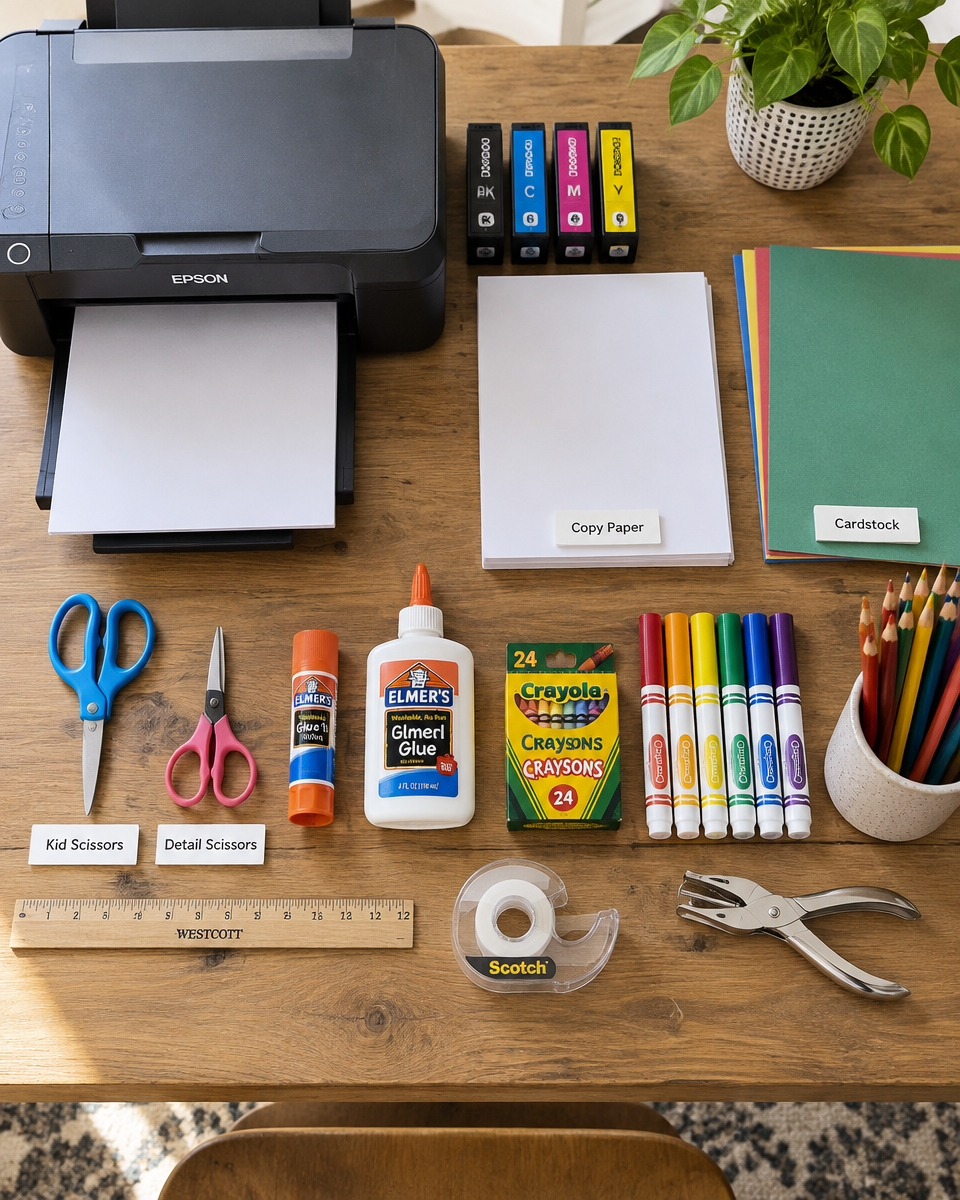
Most printable crafts for kids can be done with basic household supplies, but a few smart choices make the process smoother and the results sturdier. Think in terms of three stages: printing, building, and finishing.
- Printer and ink: Any home printer works. If colors look dull, choose “high quality” or “photo” in print settings for templates with bright graphics.
- Paper: Regular copy paper is fine for simple cut-and-paste. Heavier paper like cardstock helps crafts stand up and last longer.
- Scissors: Kid scissors are safer for preschool and early elementary. For tight corners, a grown-up can use small detail scissors.
- Glue: A glue stick is the least messy for flat crafts. White school glue is better for tabs and 3D builds but needs drying time.
- Coloring tools: Crayons and markers are perfect for black-and-white templates. Colored pencils work well when you want shading without bleed-through.
- Optional helpers: A ruler for crisp folds, tape for quick fixes, and a hole punch with yarn for hanging decorations.
Preparation tip: clear a “drying zone” like a tray or cookie sheet lined with scrap paper. That way finished printable crafts for kids can set without getting bumped or glued to the table.
Easy Printable Crafts for Kids
When you are choosing printable crafts for kids, match the project to your child’s cutting skills and attention span. A 10 minute craft is perfect for a quick win, while a 30 to 45 minute craft is better for a rainy afternoon or classroom center. Below are reliable categories that work for beginners and feel “finished” even when kids do most of the work.
Cut-and-Paste Crafts
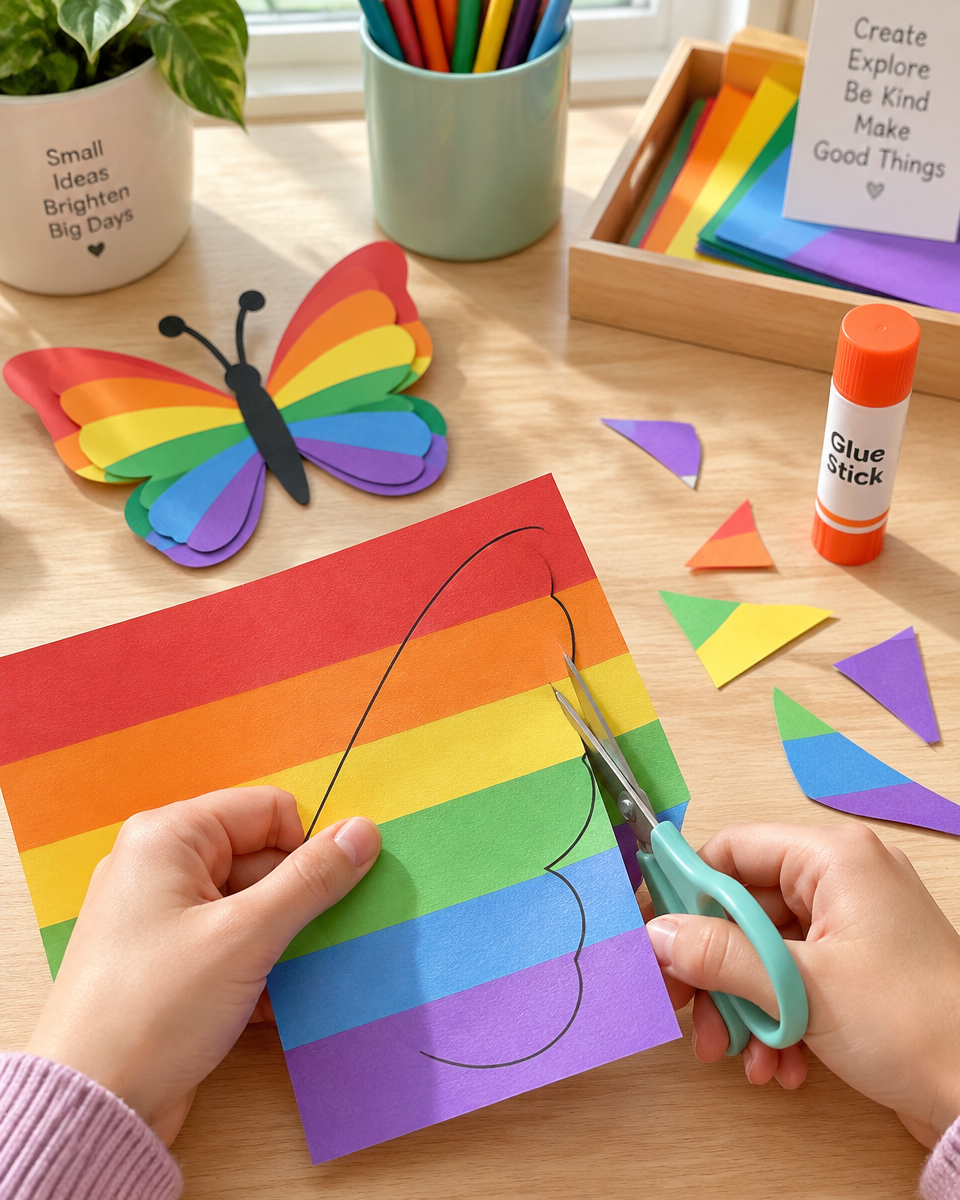
These are ideal for early learners because they reinforce matching, sequencing, and fine-motor control. Look for templates with thick outlines and clearly labeled spots, like “glue the wheels here.” To reduce frustration, pre-cut one example piece and show where it goes. Encourage kids to apply glue to the smaller piece instead of the background sheet for less mess. If pieces slide, hold them in place for five seconds and then let dry flat.
Paper Animals
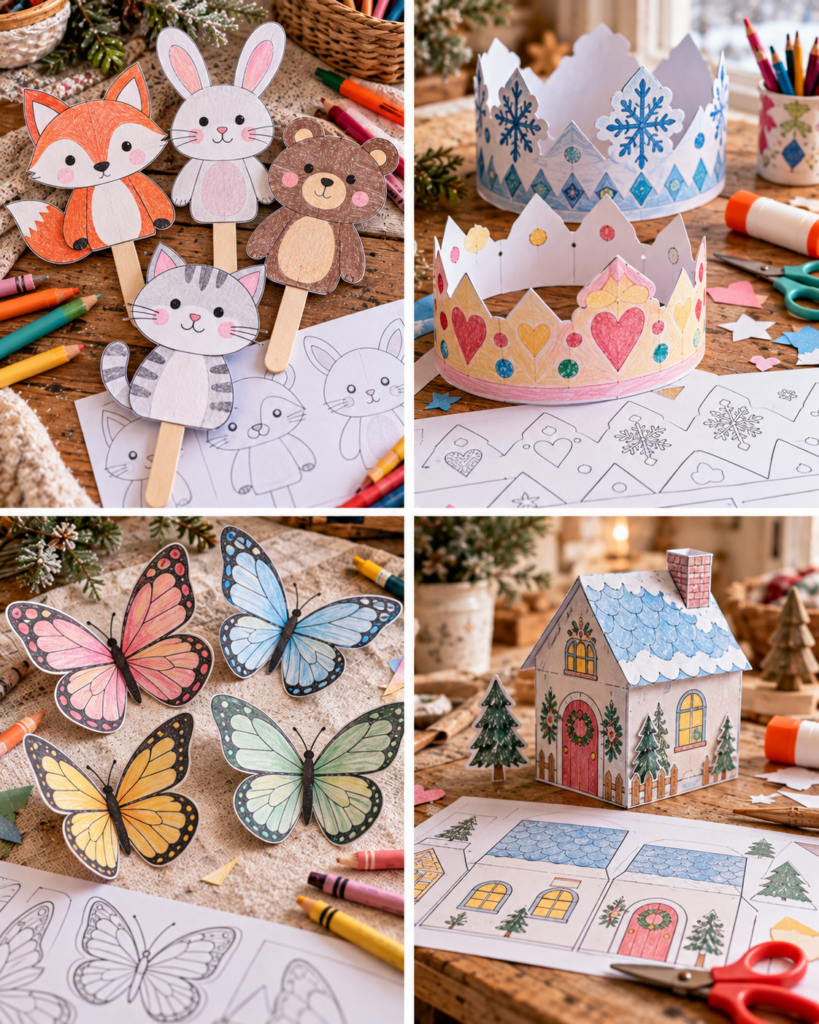
Paper animal printables often include simple shapes and tabs. For the cleanest builds, fold tabs on a ruler edge, then press the crease with a fingernail. If a template has a head that won’t line up, lightly bend the body into shape before gluing so the curve matches. These crafts are great for storytelling afterward, which extends play time without extra materials.
Seasonal Crafts
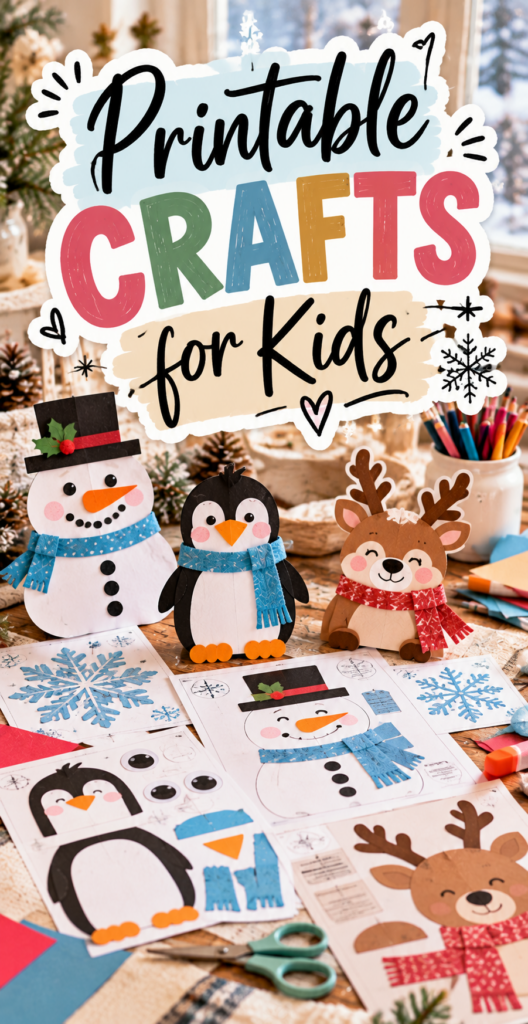
Seasonal printable crafts for kids include holiday crowns, pumpkin faces, snowflake templates, and spring garlands. Keep a small folder of seasonal favorites so you can repeat them each year. For classroom use, choose designs that still look good in black-and-white, then let kids color them to save ink.
Printable Decorations
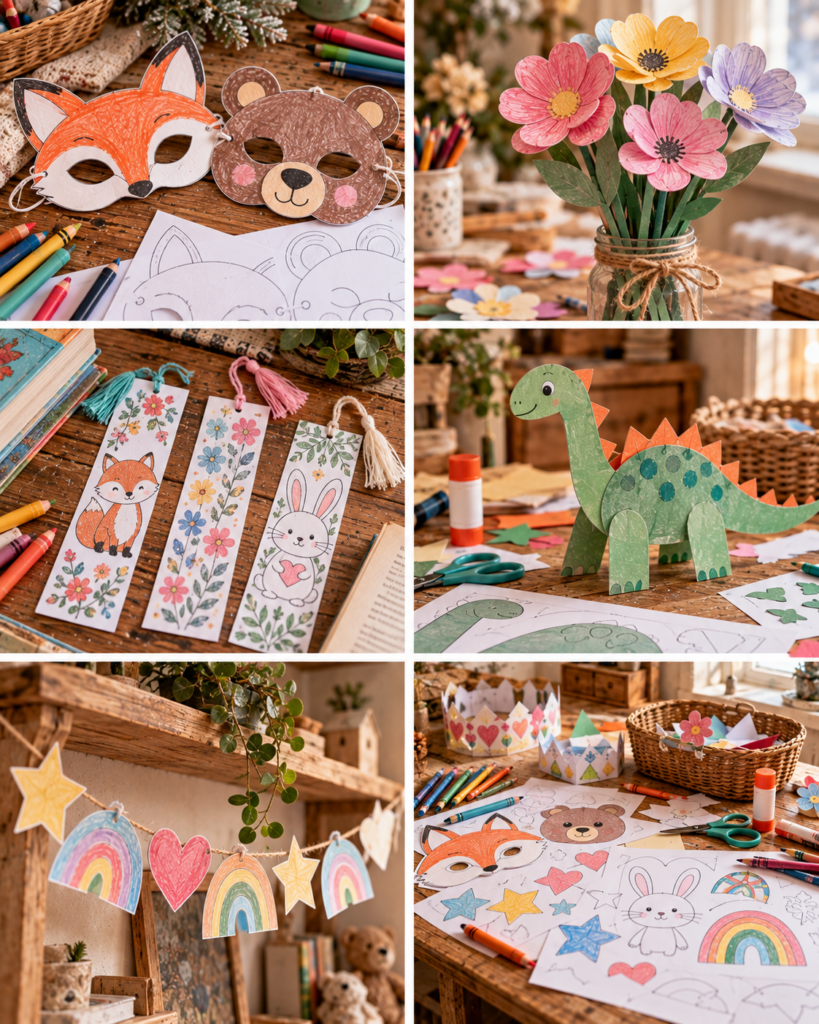
Bunting flags, mini posters, cupcake toppers (for pretend play), and window ornaments can all be printed quickly. To make decorations hang well, glue the printable to cardstock, cut, then punch holes at the top corners. String on yarn with a simple knot. If you need extra stiffness, laminate or cover with clear packing tape before punching holes.
Simple Coloring Crafts
Coloring templates that turn into something useful work especially well: bookmarks, paper bracelets, masks, and door hangers. After coloring, reinforce skinny parts with a strip of tape on the back before cutting. This prevents tearing and helps kids succeed.
What Paper Is Best for Printable Crafts?
The “best” paper depends on whether your printable crafts for kids are flat (like a collage) or 3D (like a mask or paper toy). For most home projects, you will get good results with two common types.
- Standard printer paper (around 20 lb or 75 gsm): Great for coloring sheets, simple cut-and-paste scenes, and practice templates. It folds easily, but it can wrinkle with wet glue.
- Cardstock (around 65 to 110 lb cover, or 175 to 300 gsm): Best for crowns, puppets, decorations, and anything that needs to stand up. It cuts a bit harder, so it may be better for older kids or with adult help.
If you only have printer paper but need extra strength, you can “double it” by gluing the printed page to a recycled cereal box. Spread glue evenly to avoid bubbles, then place a book on top for five minutes. For crafts with lots of folds, avoid very thick cardstock because folds can crack and tabs can pop open. In that case, a medium-weight cardstock is the sweet spot.
Also consider finish: matte paper is easier to color, while glossy paper can smear marker ink. For templates that kids will color first, matte cardstock is a reliable choice.
Can You Print Craft Templates on Cardstock?
Yes, you can print craft templates on cardstock, and it often makes printable crafts for kids look more professional and last longer. The key is making sure your printer can handle the thickness and feeding it correctly so it does not jam or print crooked.
- Check your printer’s paper path: Many printers handle cardstock best through the rear tray or manual feed slot because the paper stays flatter.
- Select the right setting: In your print dialog, choose “cardstock,” “heavy paper,” or a similar option. This slows the printer slightly and improves ink coverage.
- Load a small stack: Feed 3 to 5 sheets at a time. Overloading increases the chance of multiple sheets feeding at once.
- Let ink dry: Ink can sit on top of coated cardstock. Give it a few minutes before cutting, especially for dark colors.
- Test before a big batch: Print one page first. If colors shift or lines look fuzzy, adjust quality settings.
If cardstock curls after printing, stack the pages under a heavy book for 10 minutes. That small step makes cutting easier and helps tabs line up better in 3D printable crafts for kids.
How Do You Make Printable Crafts Last Longer?
Many printable crafts for kids are made from paper, so durability comes from reinforcement and smart finishing. You do not need expensive tools, just a few habits that protect weak points.
- Reinforce stress areas: Add a strip of clear tape on the back of thin sections like mask straps, bookmark tips, or puppet handles before cutting them out.
- Use the right glue: Glue sticks are fine for flat pieces, but tabs on 3D crafts hold better with white school glue applied thinly. Too much glue causes warping.
- Press while drying: For flat crafts, place wax paper over the top and press under a book for 5 to 10 minutes. This prevents curling.
- Seal for protection: For frequently handled items like pretend play money, game cards, or puppets, cover both sides with clear packing tape or laminate if you have access.
- Use handles and supports: Tape a craft stick behind a paper character to turn it into a puppet. It reduces ripping from repeated grabbing.
One more longevity tip: if a craft will be used outdoors (like a scavenger hunt clue card), tape or laminate it first. Even a little moisture can wrinkle paper quickly.
“I printed a set of animal puppets for my kindergarten class and used packing tape to cover the front and back before cutting. They lasted the whole month of our storytelling unit, and the kids loved that they didn’t rip right away.”
What Printable Crafts Are Good for Preschoolers?
Preschoolers do best with printable crafts for kids that use big shapes, minimal steps, and clear success markers. Aim for projects that take 10 to 20 minutes and do not require perfect cutting. Even better, choose crafts that still look cute with “kid scissors” edges.
- Shape matching pages: Kids glue circles, squares, and triangles into a picture scene. Great for early math language.
- Simple crowns and hats: Print, color, cut the band with adult help, then tape to fit. Skip tiny tabs for this age.
- Paper plate add-ons: Print eyes, ears, and noses for animals, then glue onto a paper plate base for a sturdier result.
- Dot marker printables: Kids stamp circles in marked spots, then add a few glued pieces like a bow or tail.
- Large-piece puppets: Choose templates with 3 to 6 pieces total. Add a craft stick handle so little hands do not crumple the puppet.
Safety note: preschoolers should be supervised with scissors, and small add-ons like sequins are a choking hazard. If you want sparkle, use washable glitter glue in tiny dots and let it dry out of reach.
What Printable Crafts Need Only Scissors and Glue?
If you want truly simple printable crafts for kids, choose designs that are either flat collages or basic 3D forms with a few tabs. These are perfect for travel, classrooms, and “I forgot it was spirit week” nights when you need something fast.
Great options that typically require only scissors and glue:
- Paper chain characters: Cut strips and glue loops to form a caterpillar, snake, or festive garland.
- Mix-and-match faces: Cut eyes, noses, mouths, and hair pieces and glue to a face base. Kids can make silly combinations.
- Build-a-scene pages: A background page plus a few items like trees, clouds, and animals to arrange and glue.
- Simple masks: Cut out the mask shape and glue on accents. If you avoid elastic, kids can hold it up or you can glue it to a paper handle.
- Box-wrap templates: Some printables fold into a small box with tabs, but if you want glue-only, skip tricky folds and glue sides one at a time.
Troubleshooting tip: if kids use too much glue and the paper wrinkles, pause and blot gently with a dry paper towel. Then set the craft aside to dry flat. Remind kids that a thin layer holds better than puddles.
How to Store and Reuse Craft Templates
Storing templates well saves time, ink, and decision fatigue. If you do printable crafts for kids regularly, a simple system makes it easy to repeat favorites and keep your workspace calm.
- Create categories: Use folders labeled Animals, Holidays, Learning, and Decorations. Kids can help choose from one folder instead of scrolling through endless files.
- Keep a master copy: Store an uncolored printed master in a sheet protector. Photocopy or reprint from the master so your original stays clean.
- Note what worked: Write directly on the sheet protector with a dry-erase marker, like “best on cardstock” or “pre-cut for preschool.”
- Store small pieces together: If a template has many parts, staple an envelope to the back of the master copy and keep all pieces inside for next time.
- Go digital too: Keep a cloud folder with subfolders and rename files clearly, for example “Fox Puppet color” and “Fox Puppet b-and-w.”
If you teach or craft with groups, consider making “grab-and-go kits” by paper-clipping a printed template to a small bag containing just what is needed. It turns printable crafts for kids into an easy center activity with minimal setup.
Conclusion
Printable crafts for kids make it easy to create something fun and satisfying with minimal prep, even if you are not “crafty.” Start by choosing a template that matches your child’s age and patience level, then pick the right paper for the job: printer paper for quick activities and cardstock for sturdier builds. Focus on simple steps like crisp folds, thin glue layers, and flat drying time, and you will see a big improvement in the final result. Your next step is to build a small folder of go-to favorites, then print a few masters so you are always ready for a last-minute craft session.
Today Craft Ideas
Sharing simple craft ideas, seasonal inspiration and creative projects for everyday life.